
Advantages of CNC machining in industrial manufacturing
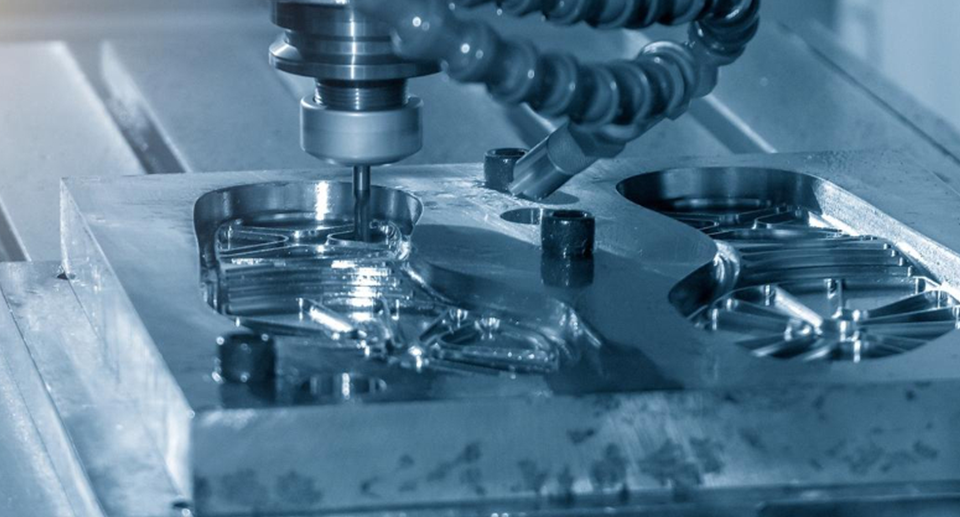
1. High precision and repeatability
One of the greatest advantages of CNC machining is its ability to produce products with extreme precision. Unlike traditional machining methods, where human intervention can affect the end result, CNC machines use computer-controlled instructions that allow for very precise tool movements, even at the microscopic level. This means that it is possible to produce components that are identical in every respect, even when produced in large batches. Repeatability is crucial in industries such as automotive, electronics and aeronautics, where high-quality products are required in large quantities.
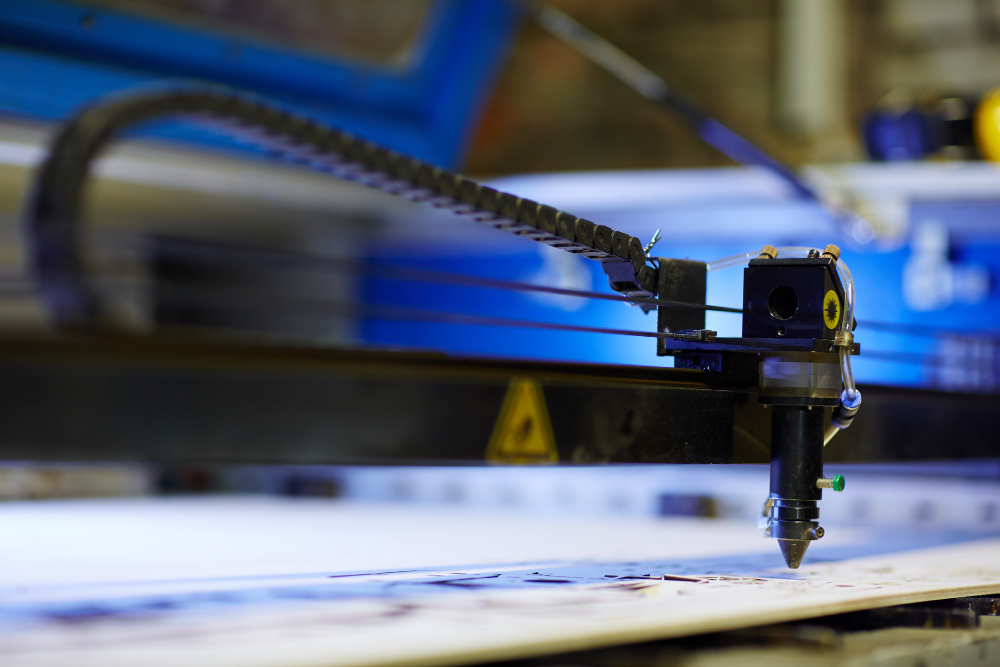
2. Greater efficiency and reduced costs
CNC machining enables faster production processes compared to traditional methods. Since CNC machines can operate automatically, there is no need for constant operator supervision, which saves time and reduces operating costs. These machines can also operate 24/7, which further increases production efficiency. This not only reduces production time, but also reduces the need for additional resources, such as workers for manual operations or additional equipment.
3. Reducing human error
In traditional manufacturing, human error is often the main cause of errors and accidents. With CNC machining, errors caused by human error are significantly reduced. Computer programming of machines allows for precise and consistent execution of tasks, which minimizes the possibility of errors in the machining process. This is especially important in industries that require high quality standards, such as the aerospace industry or medical manufacturing.
4. Flexibility in design and production
CNC machines allow for great flexibility in product design and manufacturing. Changes in design or specifications can be implemented quickly by simply changing the program, without the need for large investments in new equipment or tooling. This flexibility makes CNC machining ideal for the production of small batches, prototypes, or products with specific requirements. In this way, companies can quickly respond to changes in the market and adapt production to customer needs.
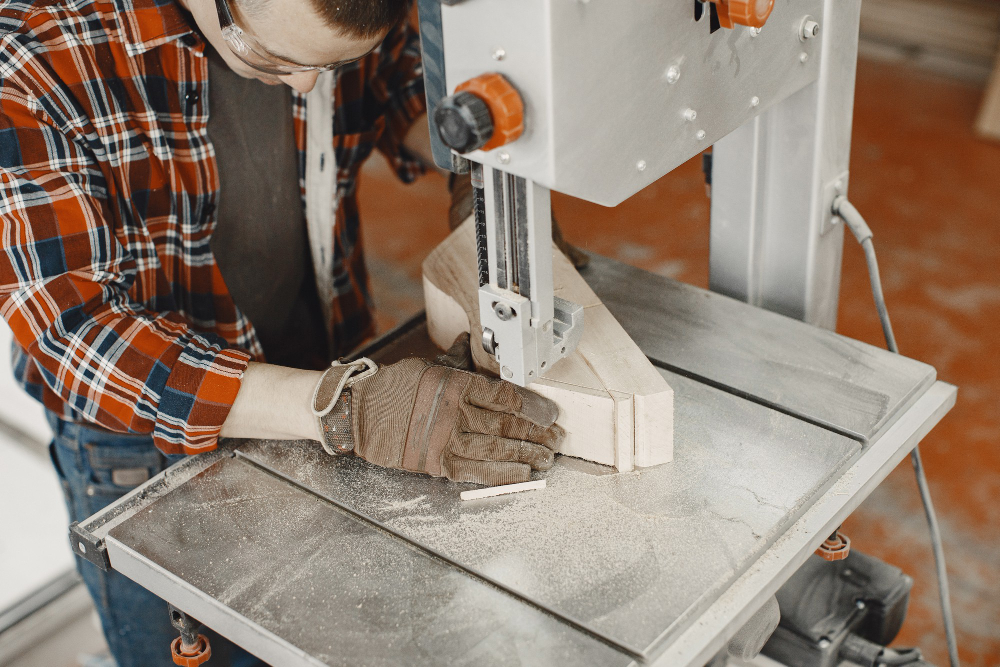
5. Increased safety in the workplace
CNC machines reduce the need for workers to come into direct contact with dangerous tools, which improves workplace safety. Since the machines automatically perform most of the work, the risk of injury is significantly reduced. Additionally, many CNC machines are equipped with safety systems and sensors that automatically stop operation in the event of an accident, thereby reducing the possibility of workplace accidents.
6. Resource optimization
CNC technology enables precise material utilization, which reduces waste and optimizes resources. Since CNC machines work to precisely defined dimensions and specifications, much less material is lost in the machining process. This not only reduces raw material costs, but also has a positive impact on the environment by reducing waste generated during production.
7. Faster production and shorter deadlines
CNC processing allows for faster production of products, even for complicated shapes and designs. With minimal need for manual intervention, production can be completed faster, enabling faster delivery of products to end users. This is especially useful for companies that deal with production on demand or for projects that have short deadlines.
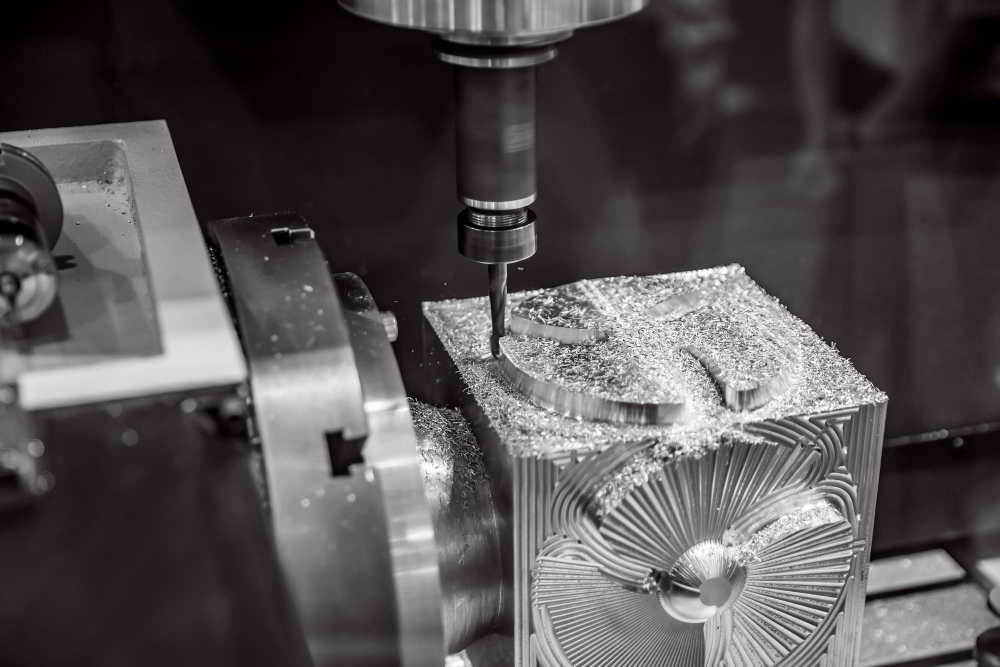
Conclusion
CNC machining has become a key factor in modern industrial production. It offers numerous benefits, including high precision, efficiency, error reduction, and improved workplace safety. In addition, it provides flexibility and allows for rapid adaptation to market needs, making it an ideal technology for modern manufacturing. Companies that adopt CNC technology can expect to increase productivity, reduce costs, and increase customer satisfaction.
If you want to improve your production process, investing in CNC technology is certainly a step that will bring you closer to a competitive advantage in the market.

